
Why This System Works
Most people fail at decluttering because they try to make perfect decisions about every item. This method removes that pressure.
You'll notice something interesting about decluttering advice online — it's usually overwhelming. "Ask yourself 30 questions about each item" or "Keep only what sparks joy." Those approaches work for some people, but most of us get stuck halfway through and abandon the project entirely.
The five-category system is different. It's not about finding the "perfect" home for everything or wrestling with your emotions about old things. Instead, you're making simple sorting decisions that move you forward. No item gets overthought. No paralysis. Just clear categories and quick choices.
The real power? Once you've sorted everything, the physical work of removing items becomes straightforward. You're not making emotional decisions anymore — you've already done that sorting work. You're just executing.

The Five Categories Explained
Keep and Use
Items you actually use regularly. Your favorite clothes, kitchen tools you reach for weekly, books you're reading, things that improve your daily life. This pile should be the smallest and most intentional.
Keep and Store
Items with real value or purpose but not for everyday use. Seasonal clothing, special occasion dishes, tools you use occasionally, sentimental items that matter. Store these out of sight but organized and accessible.
Donate or Gift
Good condition items you don't want anymore. Clothes that don't fit, duplicate gadgets, books you've already read, gifts you never liked. These have value — just not for you. Getting them to someone who'll use them feels good.
Sell or Trade
Items worth money that you're willing to list. Electronics in working order, designer items, furniture in good condition. Takes more effort than donating, but it's worth it for higher-value pieces.
Discard
Broken items, worn-out things, things you'd be embarrassed to give away. The single broken shoe, the stained blanket, the pen that doesn't work. Be honest — these aren't getting fixed. Let them go.
How to Sort Your Items
The sorting process is simple. Set up five spaces — physical boxes, bags, or areas of the room — one for each category.
Start with one small area. Don't tackle your entire bedroom on day one. Pick a shelf, a drawer, or a single closet section. Take everything out. Yes, everything. This forces you to actually look at each item instead of just moving piles around.
Pick up each item and ask yourself one question: "Which category does this belong in?" That's it. Not "Do I love this?" or "Will I use this someday?" Just — which of the five categories fits right now? Make a quick decision and put it in the right space. Fast decisions work better than slow ones here.
Work through the whole area. It'll probably take 1-2 hours for a closet or large drawer. Once you're done, you'll have five clearly separated piles. The hardest part is actually over.

What Happens Next
"The moment you've sorted everything, you're no longer making emotional decisions. You're executing a plan. That's where the real momentum comes from."
Now that you've sorted, here's the execution plan for each category:
Keep and Use — Organize Immediately
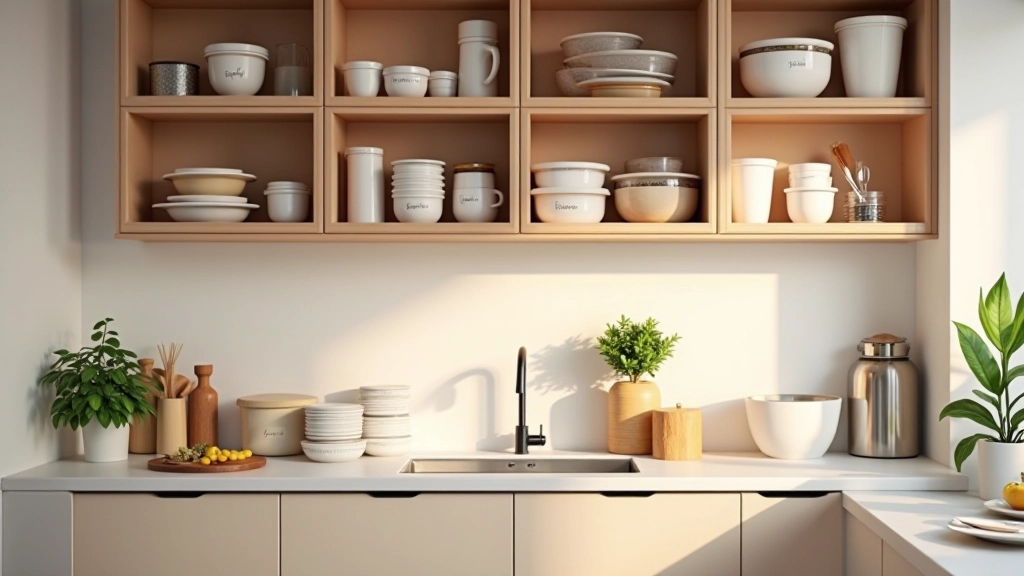
Put these back in the space in an organized way. Hang clothes by category, arrange dishes by size, organize your tools logically. This pile should take up maybe 40-50% of your available space. If it's more than that, you're keeping too much.
Keep and Store — Find Hidden Space
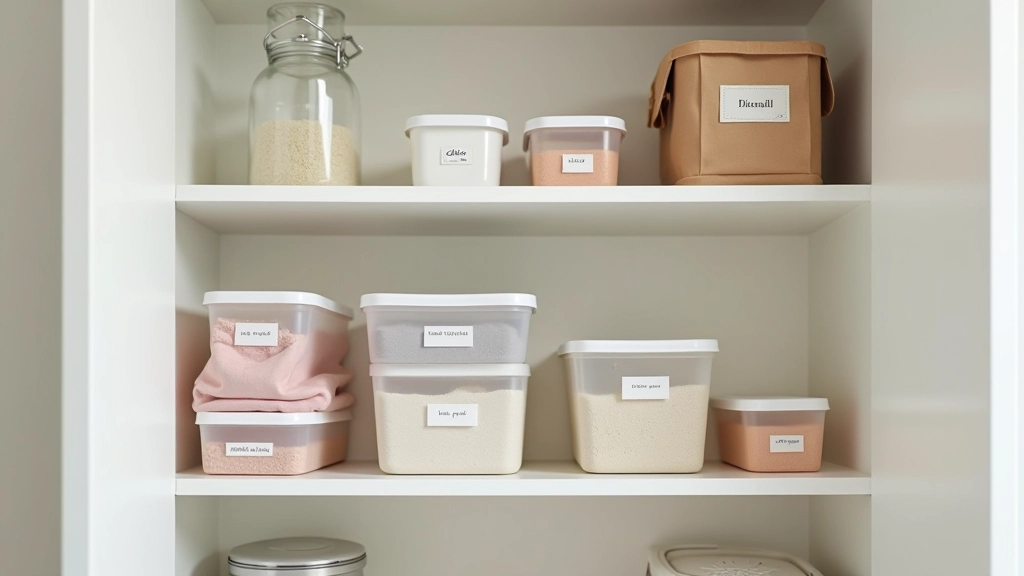
Pack these in labeled boxes or containers. Put them in a closet shelf, under the bed, or in a storage area. The key is clear labeling so you can find what you need. Most apartments have way more storage than people realize — you just need to use it efficiently.
Donate or Gift — Do It Within a Week
Bag these items up and drop them off at a charity shop or post them to friends. Don't let this pile sit around for months. Once you've made the decision to let something go, holding onto it just creates mental clutter. A quick action creates closure.
Sell or Trade — Set a Deadline
List items online or prepare them for a second-hand market. Give yourself a realistic deadline — maybe 3-4 weeks. If they don't sell by then, move them to the donation pile. The mental energy of holding items for sale isn't worth delaying your space from being finished.
Discard — Get It Out
Throw these away immediately. Don't let them sit in a corner "until trash day." That's just prolonging the process. Bag them up and take them out now. You'll feel the difference in your space right away.
Common Mistakes to Avoid
Making Piles Too Large
Don't try to organize your entire apartment at once. You'll get exhausted and stop halfway. Work on one room or one piece of furniture. You'll finish, you'll see results, and that momentum carries you to the next area.
Keeping "Just in Case" Items
If you haven't used something in 2-3 years and it's not seasonal or special occasion, it's going in the donation pile. "Just in case" is procrastination disguised as planning. Most of those items never get used.
Leaving Items in Limbo
Don't let bags of donations sit in your space for weeks. Don't keep "items to sell" piled in a corner for months. Execute quickly. The mental burden of unfinished decisions drains energy from your entire space.
Real Results from Real Spaces
The five-category system works because it removes emotion from decision-making. You're not deciding whether you're a person who "should" keep something. You're just sorting based on reality — do you use this, or not? Is it in good condition, or is it broken?
After sorting, your closet has breathing room. Your kitchen drawers actually close properly. Your bedroom feels calm instead of chaotic. And because you're not making emotional decisions in the moment, you won't feel guilty about what you've let go of.
Start small. Pick one area this week. An hour of sorting, a quick execution of the five categories, and you'll have your first decluttered space. That success builds momentum for everything else. You don't need a complicated system or a book of rules. You just need these five clear categories and the commitment to make quick decisions. Everything else follows from there.
The Bottom Line
Decluttering doesn't require perfection. It doesn't require deep emotional work or asking yourself philosophical questions about every item. What it requires is a clear system and quick decisions. The five-category method gives you both. Pick a space, sort everything into these five categories, execute the plan, and move on. You'll be amazed at how quickly your space transforms.
Disclaimer: This article provides general organizational and decluttering guidance based on common practices. Individual results vary depending on your specific space, living situation, and personal circumstances. Consider consulting with a professional organizer for customized advice about your particular needs. Local donation centers, recycling facilities, and second-hand selling platforms vary by region — check your local options before disposing of items.