Vertical Storage Ideas for Small Apartments
How to use walls, doors, and height to maximize storage without making rooms feel cramped. Includes specific furniture recommendations and installation tips.

Why Vertical Space Matters in Small Apartments
Small apartments don't need to feel cramped. The trick isn't finding more floor space — it's using the space you've got more intelligently. That means thinking up instead of out.
Most people waste their vertical real estate. Walls sit empty. Doors have no hooks. Ceiling height gets ignored. When you're working with limited square footage, every inch of height becomes valuable storage real estate. You're not just organizing better — you're reclaiming space that was already there.
The best part? Vertical storage doesn't require renovations. You can add wall-mounted shelves, over-door organizers, and tall furniture without touching a single structural element. Everything's removable. Everything's reversible.
Quick win:
Tall narrow bookcases take up 2 square feet of floor space
but store 3-4 times more than a wide, short dresser.
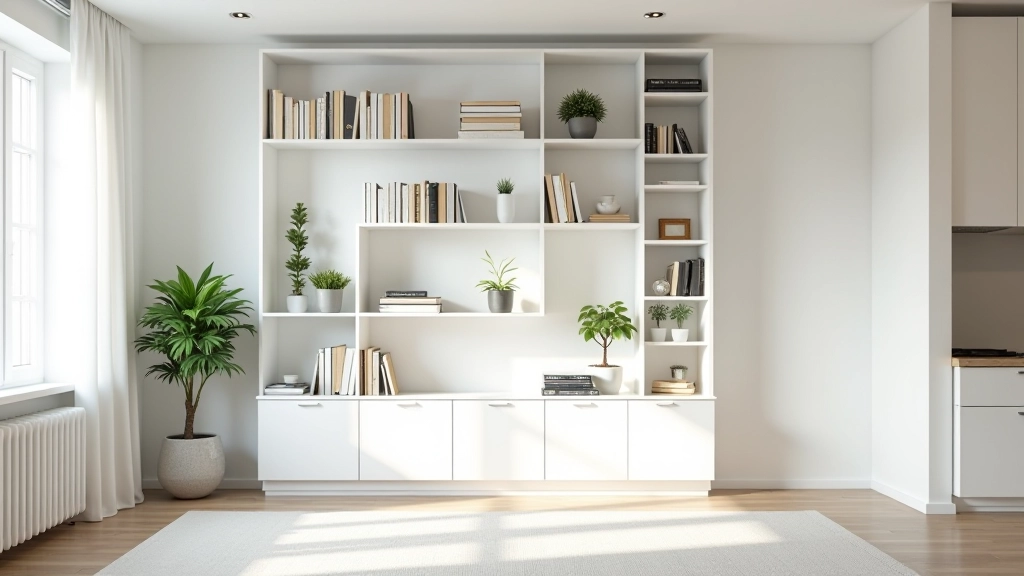
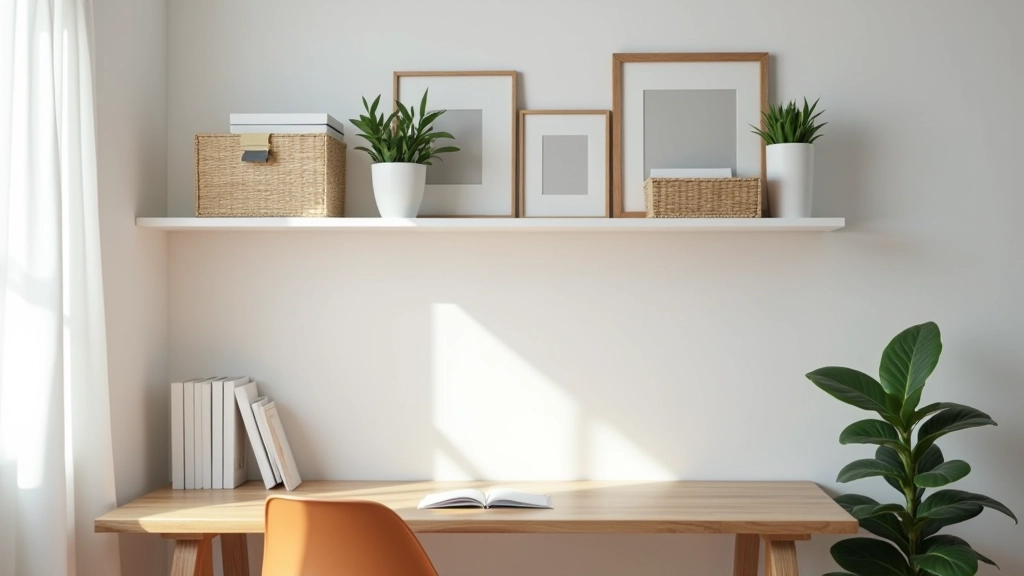
Wall-Mounted Shelving: Your First Step
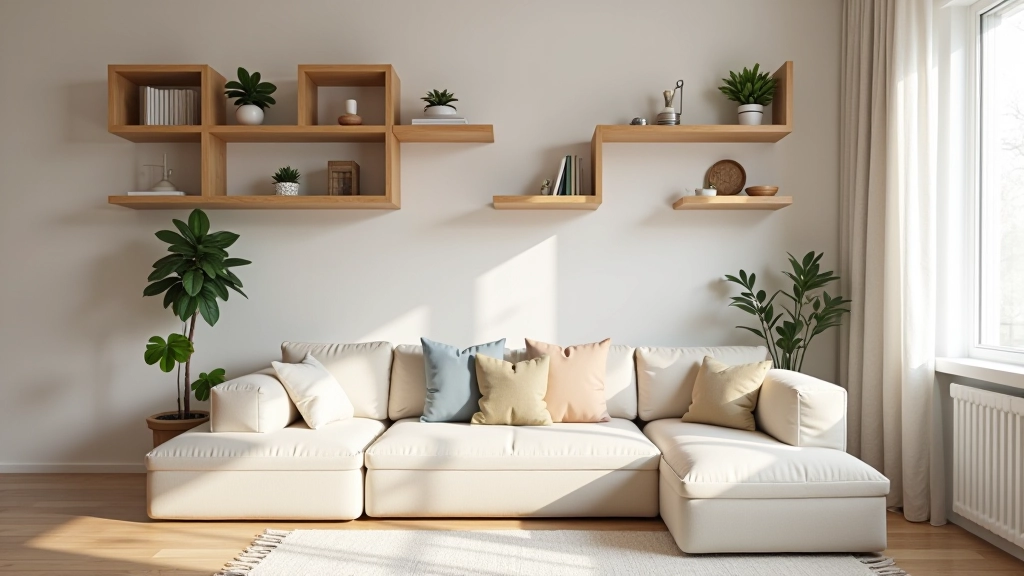
Wall shelves are the foundation of vertical storage. They're affordable, flexible, and transformative. You can install them almost anywhere — above desks, beside beds, in corners, along hallways. They work in studios and one-bedrooms alike.
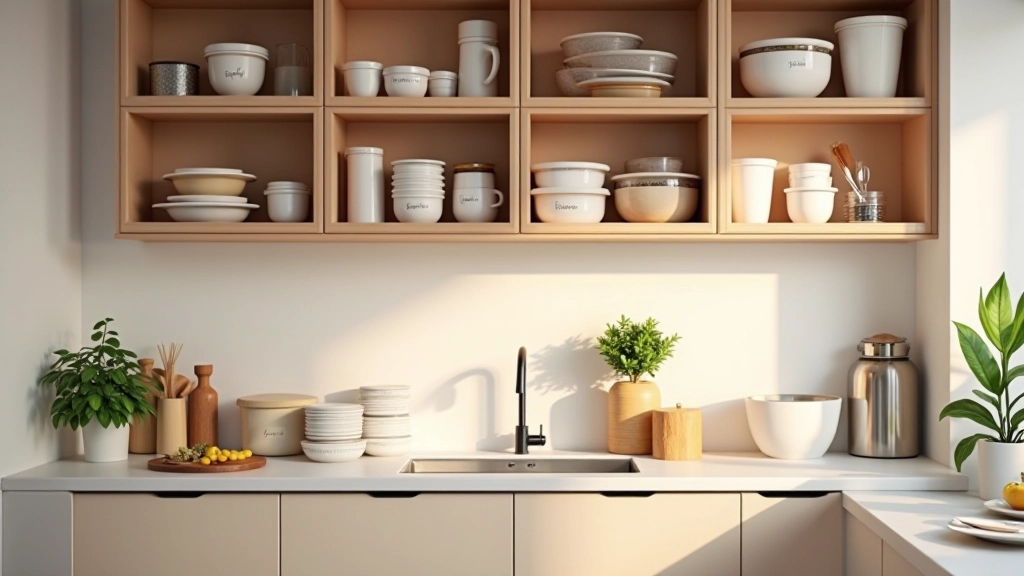
The key is planning before you drill. Don't just scatter shelves randomly. Think about what you're storing and where you actually use those items. Books near your reading chair. Cooking supplies above your prep area. Personal collections in your bedroom. Proximity matters because it reduces clutter in the rest of the space.
For small apartments, we recommend floating shelves rather than bracket-style. They look cleaner and create a sense of openness. Mount them 12-18 inches apart vertically so you've got room for varied items. A 24-inch-wide shelf holds about 15-20 books or 8-10 decorative boxes.
Mount shelves at eye level for everyday items
Use higher shelves for seasonal or decorative storage
Keep lower shelves for heavier items (less strain)
Over-Door and Corner Solutions
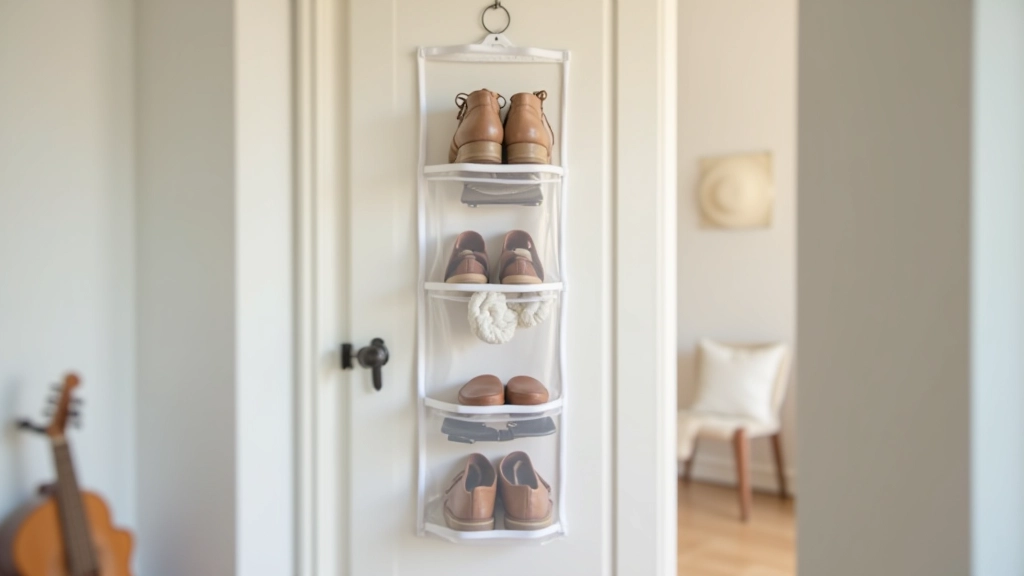
Doors are wasted real estate in most apartments. Every door is a potential storage surface. Over-door organizers work brilliantly for shoes, accessories, cleaning supplies, or pantry overflow. You're not sacrificing any floor or wall space — you're using what's already there.
Corner spaces are similarly underutilized. That triangle of space between two walls? Perfect for a tall corner shelving unit. A 24-inch-deep corner shelf system can hold as much as a standard dresser but takes up less visual real estate. Corner solutions feel less bulky because they tuck into the architecture of the room.
Don't overlook the space above doorways either. A shallow 6-8 inch shelf running along the top of a door frame holds off-season items or rarely-used supplies. You'll never notice it's there until you need it.
Best Over-Door Products
- Shoe organizers (18-24 pockets)
- Adjustable hook racks
- Clear pocket storage
- Towel/coat hooks
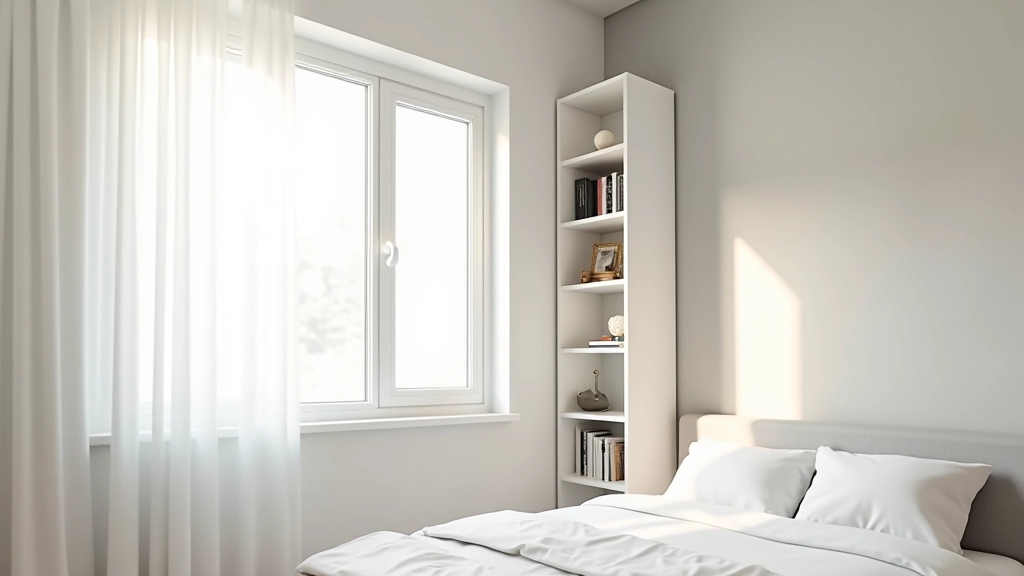
Tall Furniture: Go Up, Not Out
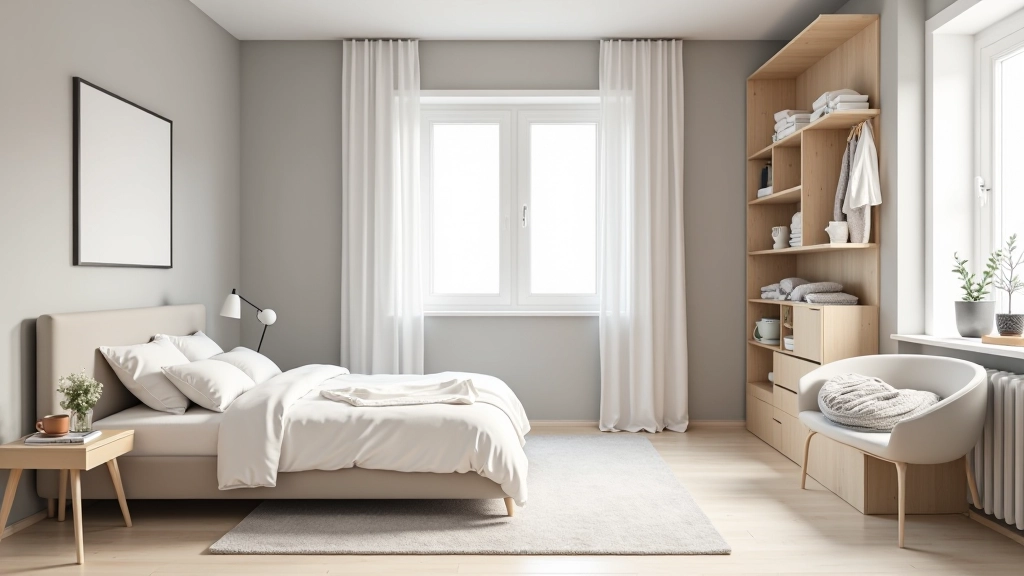
When choosing furniture for small spaces, height is your friend. A tall, narrow bookcase occupies 18-24 inches of width but extends 72-84 inches high. Compare that to a traditional dresser — it uses more floor space but gives you half the storage. The tall option wins every time.
Look for pieces that reach at least 6 feet high. The visual line draws the eye upward, making rooms feel taller and less cramped. It's psychology, but it works. Plus you're literally storing more in the same footprint.
Tall shelving units, narrow wardrobes, vertical storage cubes, and floor-to-ceiling bookcases are your toolkit. They're available in every style — minimalist, industrial, farmhouse, modern. Pick what matches your apartment and stack items vertically. You'll be amazed at how much you can fit.
Make sure tall pieces are secured to the wall with brackets or wall anchors. This isn't just for safety — it also makes them feel less imposing and more integrated with the space.
Organizing Vertical Storage Effectively
Having vertical storage is one thing. Using it well is another. The best storage system fails if you can't find what you need. Here's how to organize your vertical spaces so they actually work.
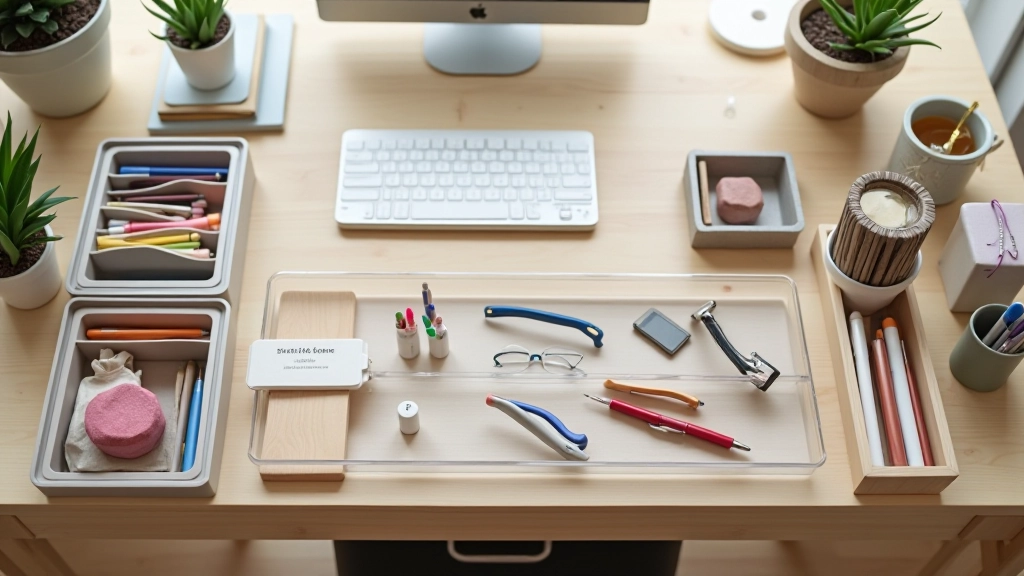
Group items by category and keep similar things together. All your books in one section. All your office supplies in another. All your seasonal decorations stacked clearly. This sounds obvious, but most people scatter items randomly and end up wasting shelf space and mental energy searching.
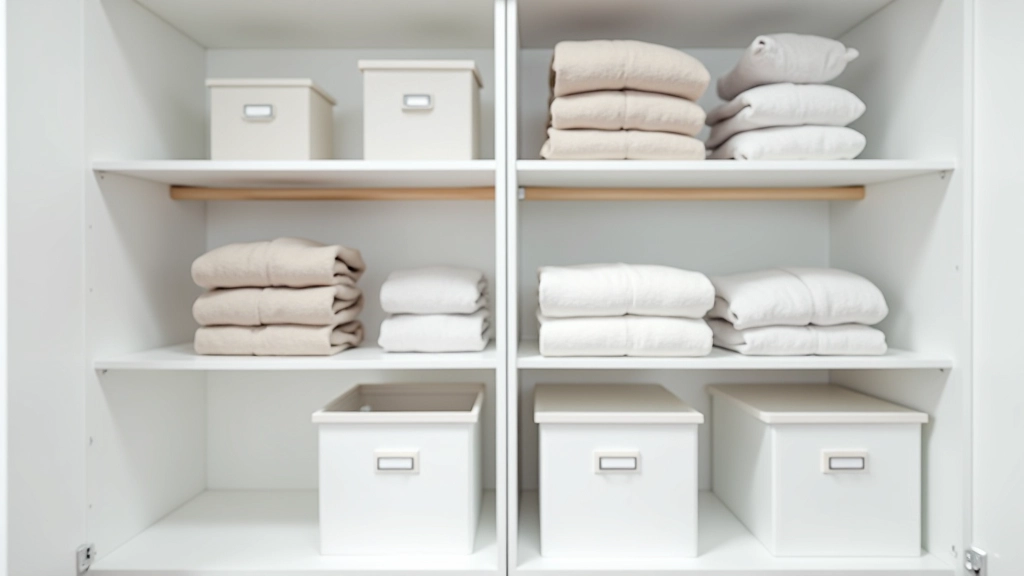
Use clear storage boxes for items you don't access daily. Label everything — yes, even the obvious stuff. Labels take 30 seconds and save you from pulling out 5 boxes searching for that one thing. Invest in uniform boxes. Mixed containers make shelves look chaotic even when they're perfectly organized.
"The goal isn't to fill every shelf. It's to store what you actually use and display what makes you happy."
Heavy items go on lower shelves. Lighter decorative pieces go higher. This isn't just safer — it looks better. Visual weight matters. A shelf of heavy books at the top makes everything feel unstable, even if it's perfectly safe.
Making It Work in Your Space
Vertical storage transforms small apartments from feeling crowded to feeling organized and intentional. You're not doing anything revolutionary — you're just using the space that was always there. Walls, doors, height, and smart furniture choices multiply your storage without shrinking your living space.
Start with one area. Mount some shelves in your bedroom or install an over-door organizer. See how it feels. You'll quickly realize you've freed up floor space, made things more accessible, and created a cleaner visual environment. Then move to the next area. Small changes compound into a completely transformed apartment.
The best storage system is the one you'll actually maintain. So pick solutions that match your lifestyle and your apartment's style. Vertical storage isn't about perfection — it's about making your small space work harder for you.
Important Note
The information provided in this article is educational and informational in nature. Storage solutions vary based on your apartment's specific layout, wall construction, and local building codes. Always verify weight limits for shelving, use appropriate wall anchors for your wall type, and consult with your landlord before making permanent modifications if you're renting. Individual results depend on your specific space, storage needs, and implementation. Consider consulting a professional organizer or handyman for complex installations.