
Why Room Layout Matters
Most people don't think much about how their room is arranged until something feels off. The space feels cramped even though there's technically enough room. Walking from the bed to the door requires a careful dance around furniture. You can't open drawers fully without hitting something. These aren't problems with the room itself — they're problems with the flow.
Good layout isn't about matching a magazine photo. It's about understanding how you actually move through and use your space. When furniture placement is thoughtful, rooms feel bigger, more organized, and genuinely nicer to spend time in. You'll notice the difference within a day or two.
"The best layout is one you stop noticing because everything just works."
Understanding Traffic Flow
Traffic flow is simply the path people naturally walk when moving through a room. It's not something you need to overthink — just trace how you actually move from the door to the bed, from the window to your desk.
The main traffic lane should be clear and direct. Don't put a heavy piece of furniture smack in the middle of where you naturally walk. If your bedroom door opens and the first thing you do is walk toward the window, that path should stay mostly open. Same with kitchens — the path from the fridge to the stove to the sink (the work triangle) needs breathing room.
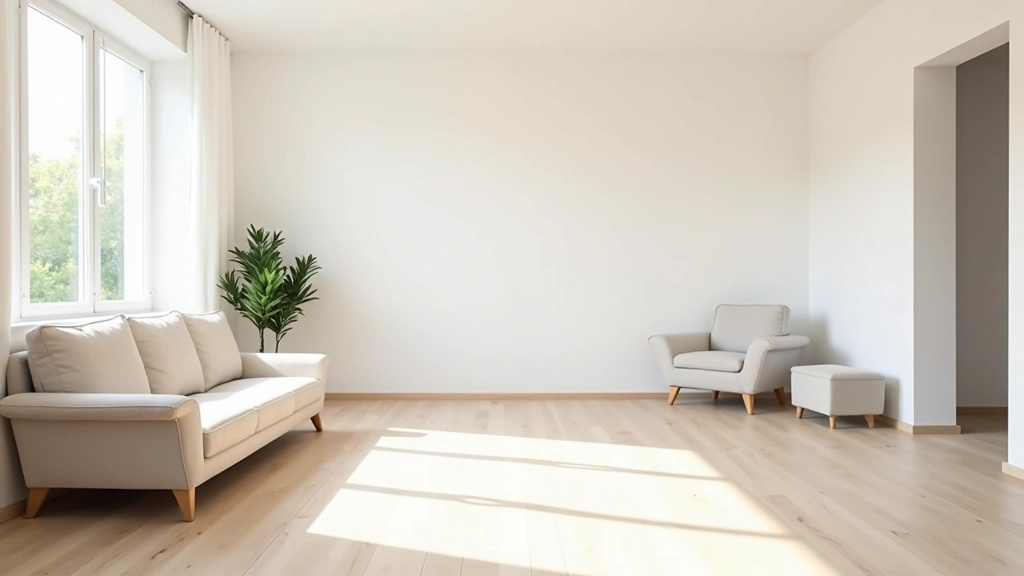
Small spaces especially benefit from thinking about this. When you're working with limited square footage, every path matters. A couch angled into a walkway can make a living room feel 20% smaller than it actually is. Move it to the wall instead, and suddenly you've got room to breathe.
Furniture Placement Principles
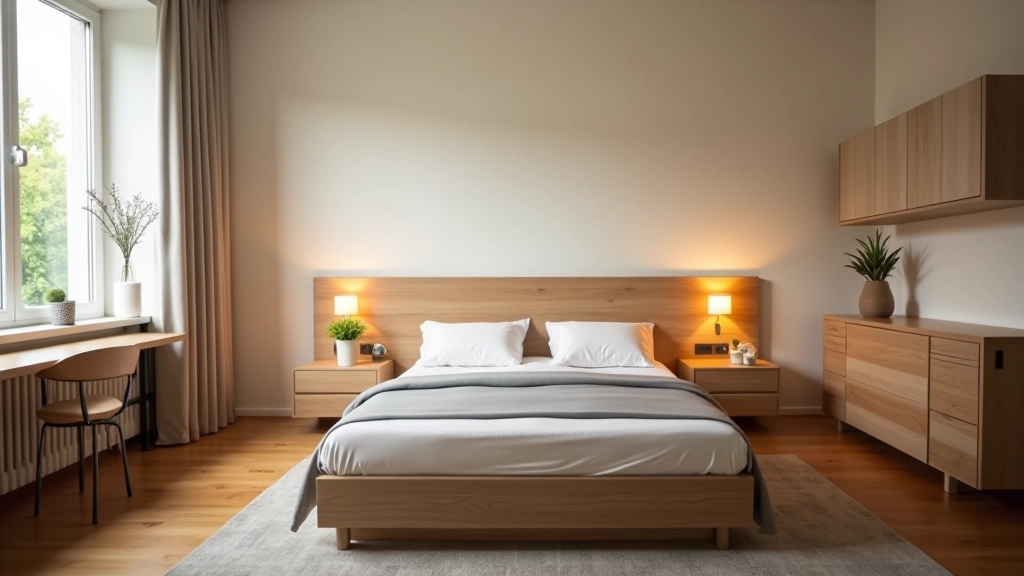
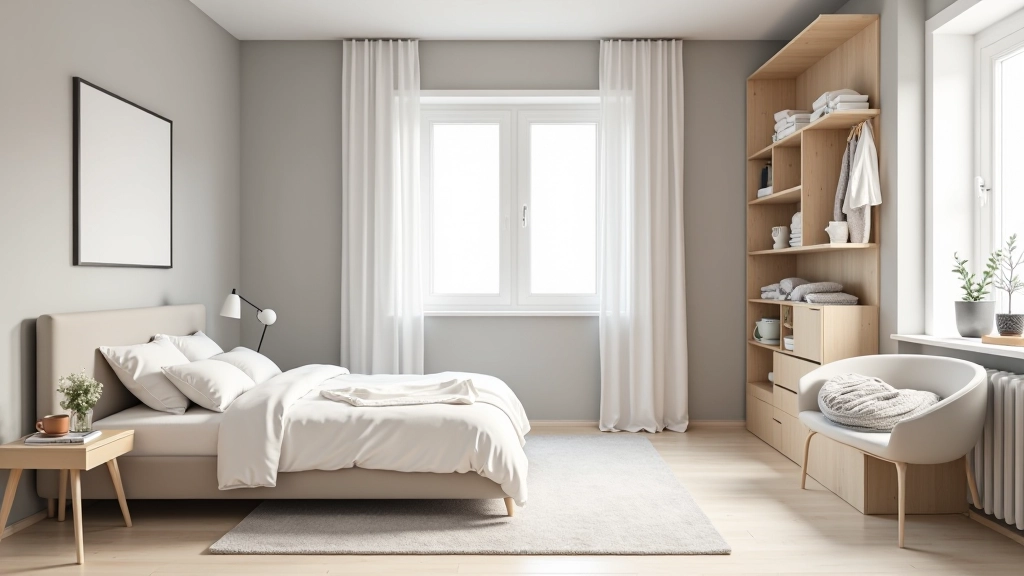
There are a few reliable principles that work in almost any space. First, anchor your largest piece of furniture against a wall — usually the bed, sofa, or entertainment center. This immediately opens up the room because you're not floating furniture in the middle, eating up valuable floor space.
Second, consider sightlines. When you walk into a room, your eye should travel toward something pleasant — a window, a piece of art, maybe a plant. Don't arrange things so your first view is a blank wall or the back of a couch.
Third, create zones. In a studio or open-plan space, different areas can have different purposes without needing walls. A bookshelf can define the sleeping area from the living area. A rug can anchor the seating zone. These visual boundaries help rooms feel more intentional and organized.
Quick Furniture Rules That Actually Work
- Place your bed with the headboard against the longest wall
- Keep at least 2-3 feet of walking space on both sides of beds
- Don't block windows with tall furniture — let light in
- Group seating to face each other, not scattered randomly
- Leave breathing room around doors — they need to open fully
Making Small Spaces Feel Larger
Small apartments and bedrooms have taught Latvian designers some excellent lessons about layout. The trick isn't filling every inch — it's being intentional about what goes where.
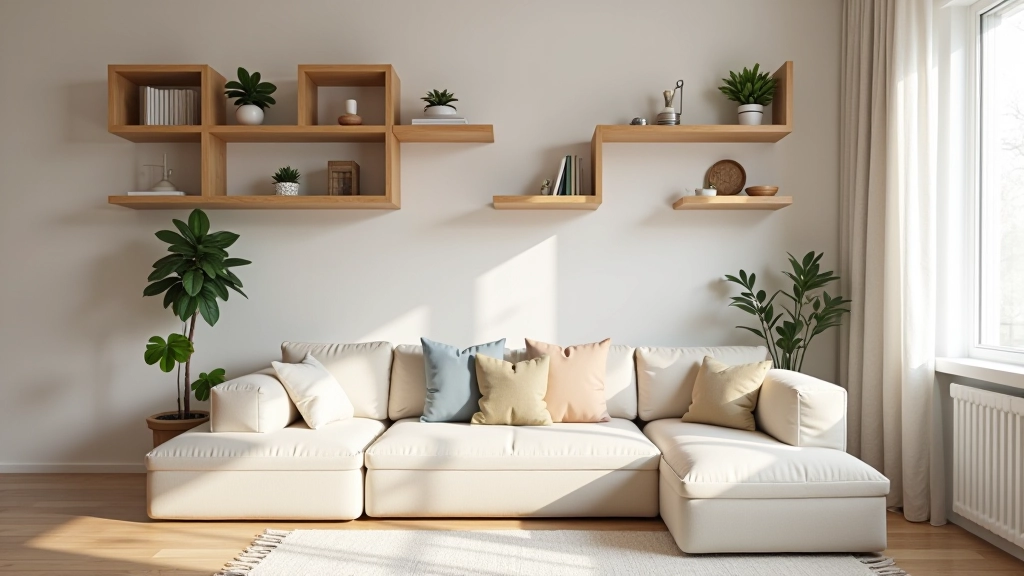
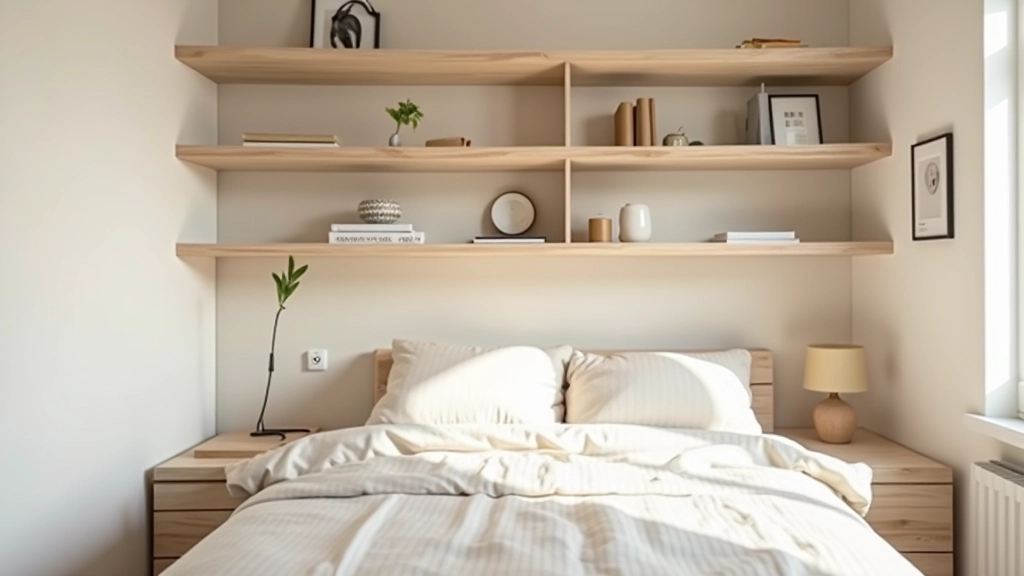
Vertical storage is your friend. Tall bookshelves draw the eye upward, making ceilings feel higher. Wall-mounted shelving above a desk frees up floor space completely. When you're not using every bit of floor for furniture, rooms automatically feel bigger.
Mirrors are genuinely useful, not just decorative. One good mirror opposite a window bounces light around and creates the visual illusion of more space. A small room with a strategically placed mirror feels noticeably less claustrophobic.
Keep your largest furniture pieces the same color as your walls, or at least in the same family. A dark gray couch against dark gray walls doesn't disappear — it blends in, which makes the room feel more spacious. It's a small visual trick but it genuinely works.
Testing Your Layout Before You Move
Don't rearrange your entire room and hope it works. Test it first using simple methods that take 5 minutes.
Draw your room to scale on graph paper. Mark doors, windows, and electrical outlets. This takes longer but gives you a clear picture.
Cut out shapes representing your furniture at the same scale. Move them around on the paper. It's low-stakes experimenting.
Trace out the layout on the actual floor using painters tape. Walk through it. Does the flow feel right? Are pathways clear?
Only after testing do you move the actual furniture. You'll know it's right before you strain your back hauling a bed across the room.
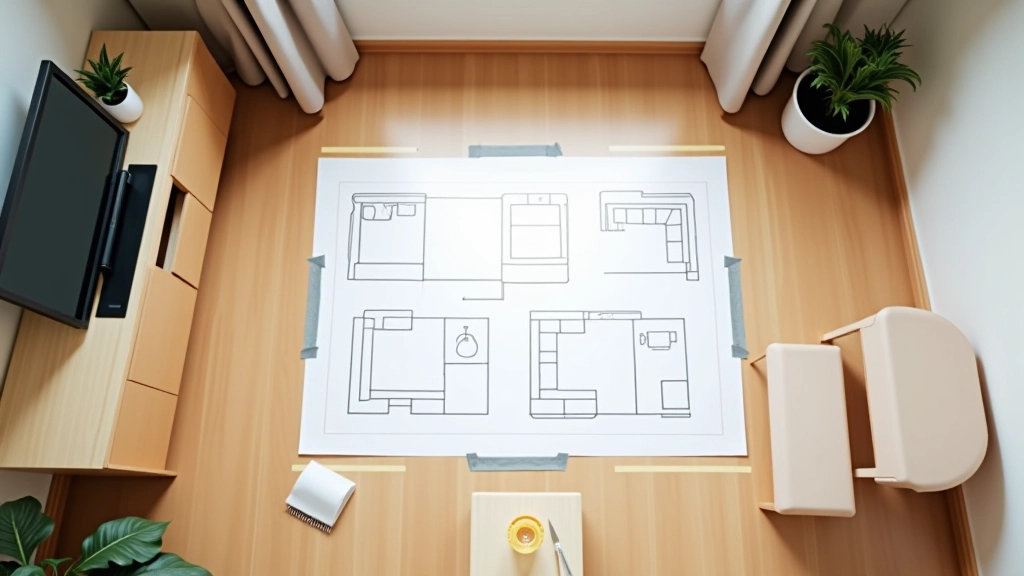
The tape trick is honestly the best investment of 10 minutes you'll make. You'll catch problems immediately. That desk you thought would fit perfectly in the corner? You'll realize the chair can't pull out properly. The bookshelf you wanted to move? You'll see it blocks light from the window. All without moving a single heavy thing.
The Layout That Works for You
Here's the important part: there's no single "right" layout. What matters is that your layout works for how you actually live. If you work from home, your desk needs good light and a clear view of the room. If you entertain friends regularly, your seating should face inward so conversation flows naturally. If you're in a studio, your sleeping and living areas need clear visual separation.
Think about your daily movements through the space. Where do you spend most time? What activities matter most in this room? Build your layout around those realities, not around what looks good in design magazines. You'll end up with a space that's genuinely functional and pleasant to live in — and that's what good layout is really about.
Start small. Try moving just one or two pieces. See how it feels for a few days. You can always adjust. The best room layouts aren't sudden revelations — they're the result of paying attention to how you move through your space and making small, intentional changes. That's something anyone can do, regardless of room size or furniture budget.