
Kitchen Organization Systems That Actually Save Time

Design Your Kitchen Around How You Actually Cook
Here's the thing about kitchen organization — most systems fail because they're designed by people who don't actually use kitchens. They create beautiful arrangements that look great in photos but fall apart after two weeks of real cooking.
A working kitchen system matches your habits, not magazine aesthetics. We're talking about organizing based on what you cook most often, how many people use your kitchen, and what actually saves you time during meal prep. That's the difference between a system that lasts and one you abandon by March.
The Zone Method: Group by Cooking Activity
Instead of organizing by item type (all bowls together, all utensils together), organize by what you actually do. This is called the zone method, and it cuts prep time dramatically.
You'll have a baking zone, a cooking zone, a beverage zone, and a food prep zone. Each zone contains everything you need for that activity — no walking back and forth across the kitchen three times to make pancakes.
The Four Core Zones
- Baking zone: flours, sugars, measuring tools, mixing bowls near the counter you actually use
- Cooking zone: pots, pans, oils, spices within arm's reach of your stove
- Food prep zone: cutting board, knives, and produce storage near your prep counter
- Beverage zone: glasses, coffee, tea, and everyday drinks grouped together
If you live in a small Latvian apartment kitchen like many do, zones don't mean separate corners — they're just logical groupings within your available space. One shelf might contain your entire baking zone. That's fine. The point is that you're not hunting for three different drawers to find your measuring spoons.
Pantry Visibility Changes Everything
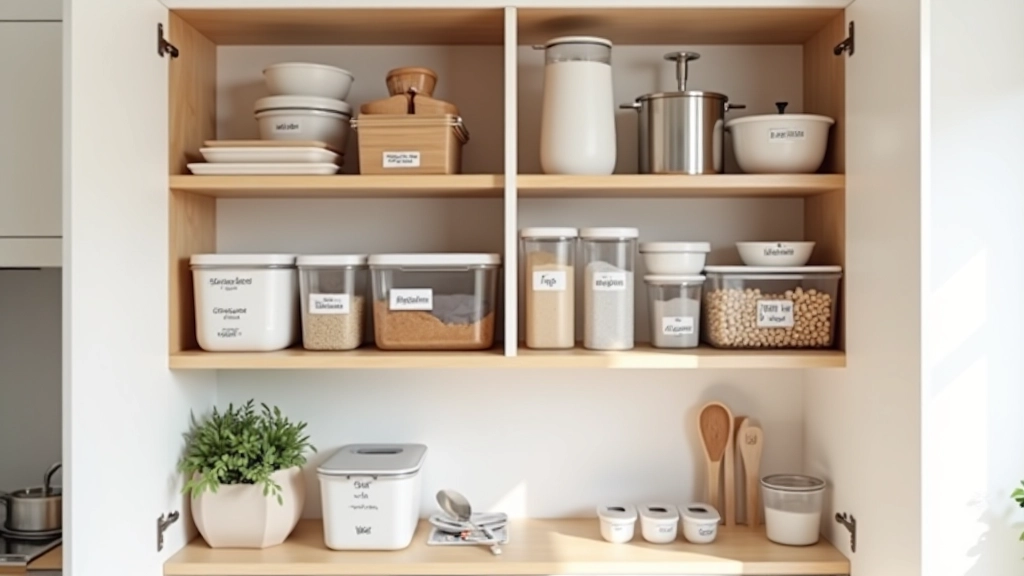
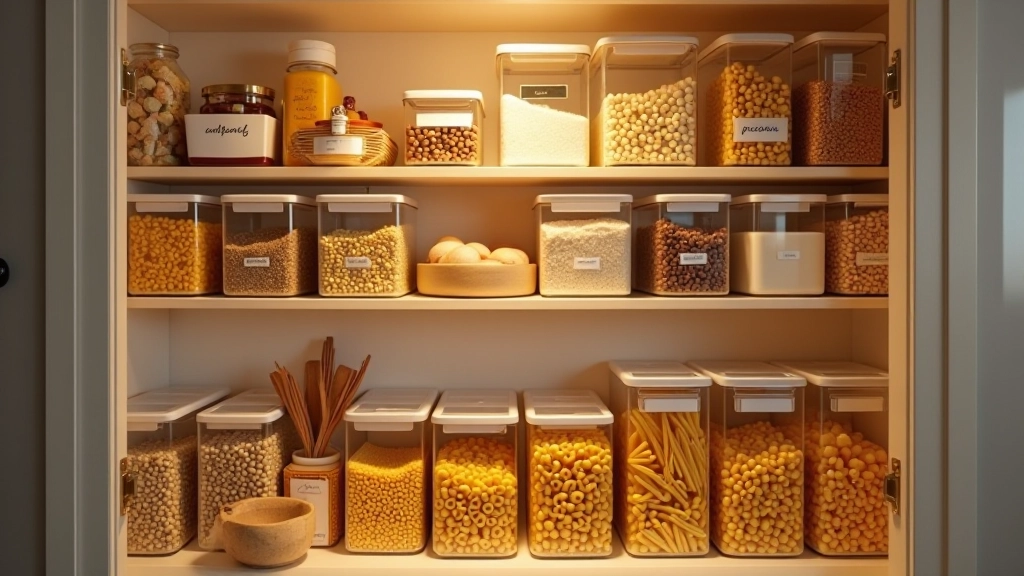
You can't organize what you can't see. Opaque containers, overcrowded shelves, and items shoved to the back mean you'll buy duplicates. You'll end up with three open boxes of pasta or four jars of the same spice because you forgot what you had.
Clear containers aren't just prettier — they're functional. You can see exactly how much pasta you have left. You notice when something's running low. Labels tell you expiration dates at a glance.
3 weeks
Average time before people return to disorganized pantries without visibility systems
The depth of your pantry matters too. If items are stacked two-deep, you'll only use what's in front. Rotate containers so older items move forward. This prevents that fun moment when you discover expired spices from 2022 behind the new ones you just bought.
Drawer Organization: The Divider System
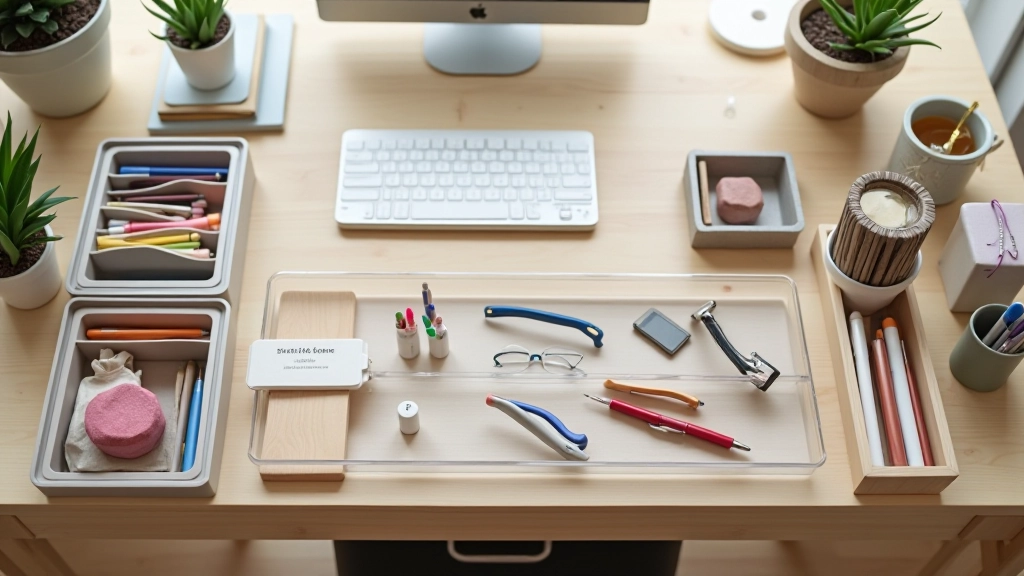
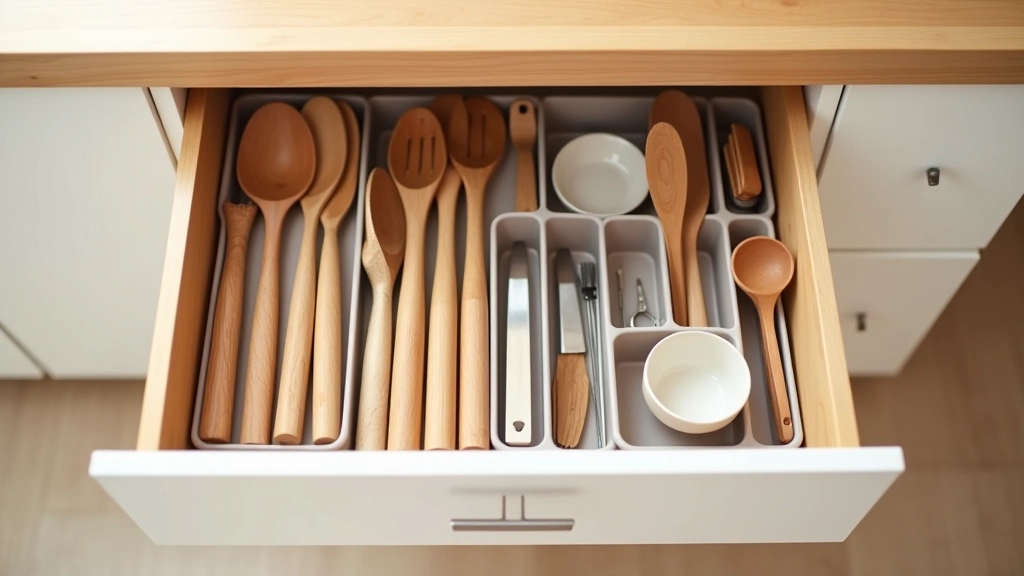
Kitchen drawers are chaos generators. You throw things in, they shift around, and suddenly you can't find anything. Drawer dividers solve this by creating dedicated spaces for specific items.
You don't need expensive custom systems. Affordable plastic dividers from any hardware store work fine. The key is that every utensil, knife, and tool has an assigned spot. When you're cooking, you grab what you need in two seconds instead of digging through a pile of wooden spoons.
Think about frequency: most-used items go in the most accessible drawer. Knives and wooden spoons that you grab daily? Front drawer, easily reachable. Specialty tools you use monthly? Higher or deeper drawer. Rarely-used gadgets? Store those somewhere else entirely — they're just taking up prime real estate.
One drawer rule: if it takes more than 3 seconds to find something, it's not organized well enough.
Vertical Space Is Your Secret Weapon
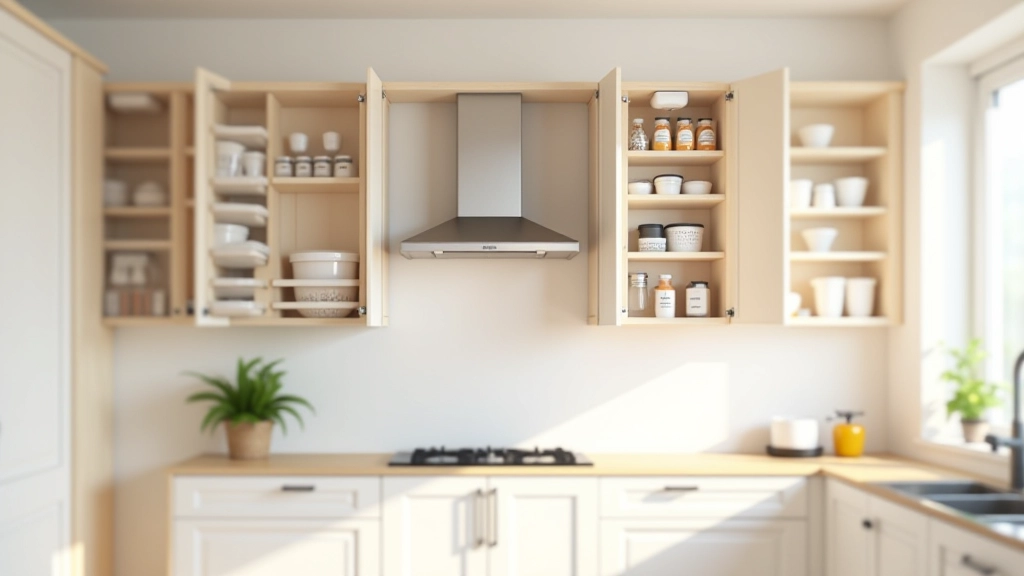
Small kitchens have limited counter and cabinet space. That's why vertical organization saves actual hours every year. You're using walls, inside cabinet doors, and the space above your shelves.
Wall-mounted magnetic strips hold knives safely and keep them visible. Over-door organizers store plastic bags, aluminum foil, and parchment paper. Vertical dividers in cabinets let you stack baking sheets and cutting boards so you can grab what you need without moving everything else.
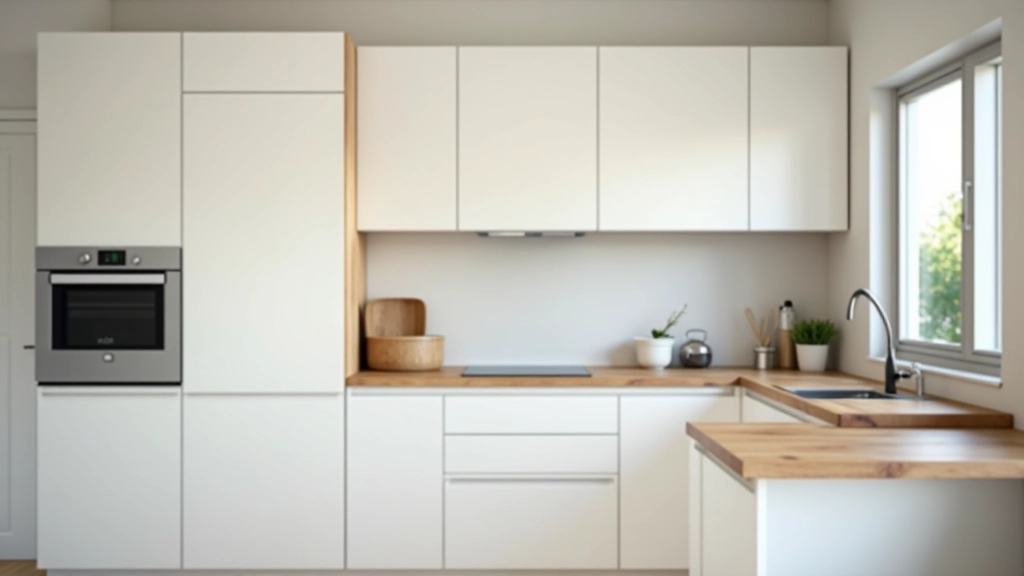
The difference between a cramped kitchen and one that works comes down to using every inch. In typical Latvian apartments with 8-10 square meter kitchens, vertical thinking is the difference between constantly moving things around and having a system that actually functions.
Maintain It Without Effort
Here's where most people fail: they organize everything beautifully, then stop maintaining it. After two months, it's chaos again. You're not lazy — the system just requires too much work.
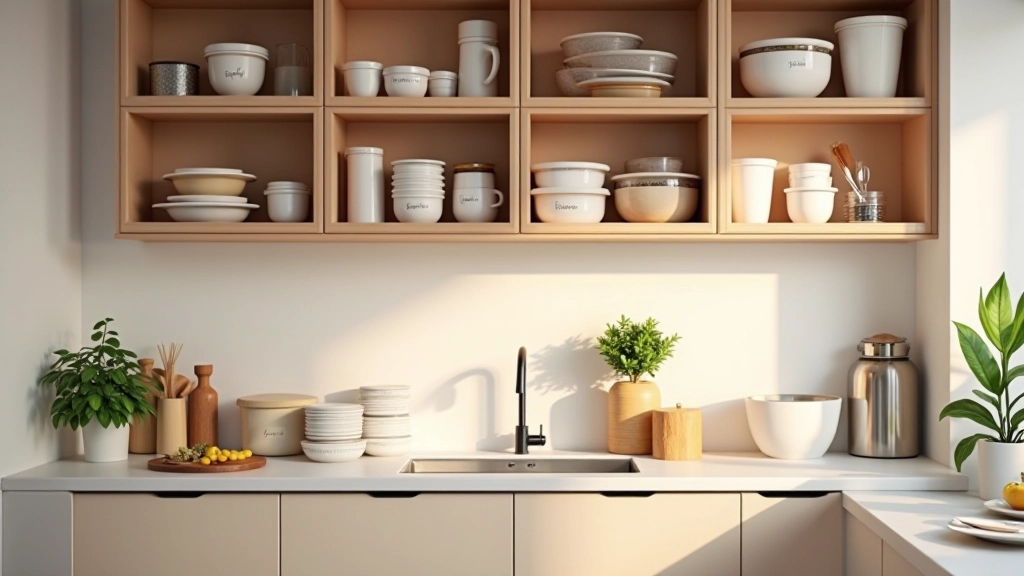
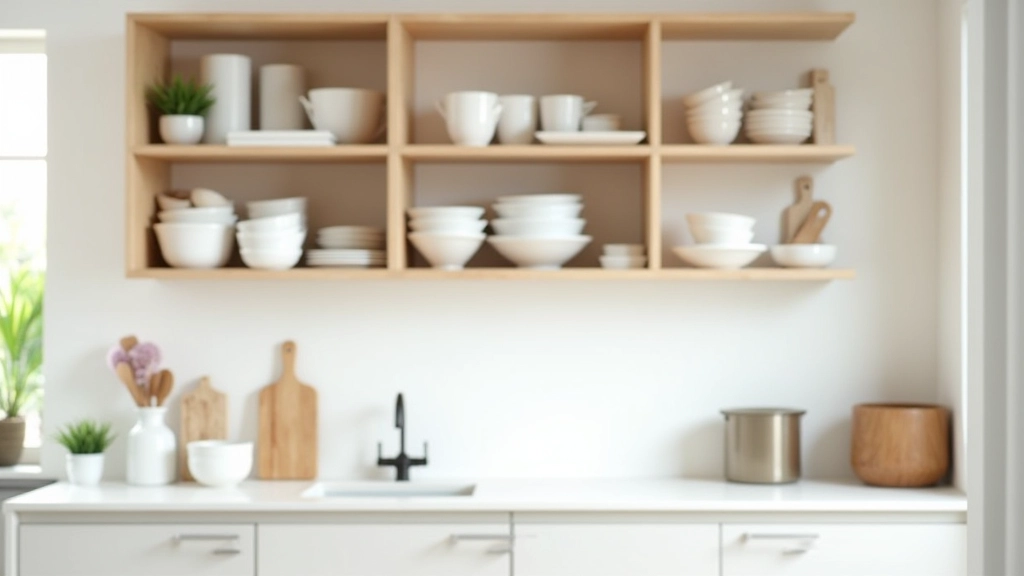
The best systems maintain themselves because they're built around your actual habits. If you always set bowls down on the counter instead of putting them away, your system should have bowls on open shelving, not hidden in cabinets. If you use spices constantly, they shouldn't be in a cupboard where you can't see them.
Spend 10 minutes each week doing a quick reset — moving things back where they belong, wiping down shelves, checking for expired items. That's genuinely all you need. Not hours of organizing. Just a few minutes maintaining what you've built.
The System That Sticks
You've got your zones set up. Pantry visibility is handled. Drawers are divided. Vertical space is being used. Now the real test: does it match how you actually cook? If you're forcing yourself to follow a system that doesn't feel natural, you'll abandon it. The best kitchen organization is invisible — you reach for what you need without thinking about it.
Explore More Organization Topics

About This Article
This article is educational and informational in nature. Kitchen organization systems vary based on individual needs, kitchen size, and personal cooking habits. The methods described here are general approaches that have proven effective for many people, but your specific situation may require adjustments. Results depend on your willingness to maintain the system and adapt it to your actual usage patterns. Consult with a professional organizer for customized solutions tailored to your specific kitchen layout and constraints.